About Our Founder: The Legacy of Gordon Caswell
By: Hank Zachry | July 5, 2024
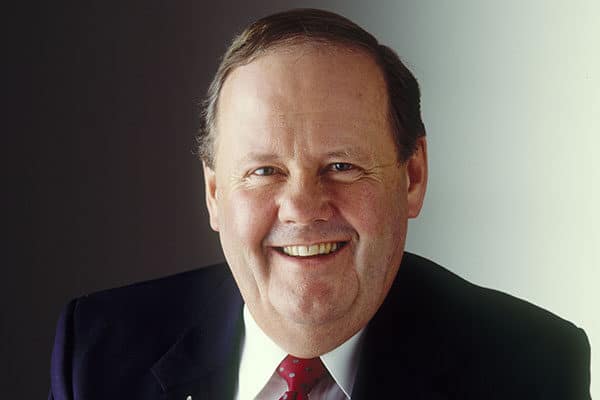
Gordon M. Caswell stands as one of the foundational figures of modern planned giving in the United States. His career blended technical mastery, donor‑centered philosophy, and a visionary understanding of how philanthropy could be expanded through intentional, relationship‑driven legacy planning. His influence is visible not only in the institutions he served, but also in the professional standards, training models, and donor‑engagement practices that define planned giving today. His legacy is both institutional and cultural: he helped shape the profession, mentored generations of fundraisers, and demonstrated that planned giving is ultimately an act of gratitude and stewardship.
Early Career and the Emergence of a Planned Giving Vision
Caswell’s career began during a period when planned giving was still a niche concept in American philanthropy. Many nonprofits relied almost exclusively on annual giving and major gifts, with little strategic focus on bequests or long‑term donor cultivation. Caswell recognized early that charitable organizations were missing an enormous opportunity by failing to integrate legacy planning into their development programs.
His early work at Westmont College illustrates this insight. When Westmont’s then president, Roger Voskuyl, sought to build a more sustainable fundraising model, he hired Caswell as director of development. Caswell became a powerful advocate for planned giving, helping the college establish its first formal program and demonstrating how legacy gifts could fund major capital needs and long‑term institutional growth. His leadership contributed to the financing of numerous campus buildings and helped normalize planned giving as a core development function rather than a peripheral activity.
This period marked the beginning of Caswell’s lifelong commitment to teaching organizations how to cultivate donors not just for immediate support, but for enduring impact.
A Philosophy That Reframed the Profession
Caswell’s most enduring contribution may be his articulation of planned giving as a donor‑centered discipline. He believed that planned giving was not primarily about technical instruments or tax strategies, but about honoring donors and helping them express their deepest values. His oft‑quoted belief that “planned giving is first and foremost a service … a beautiful way of saying thank you to the people who make your organization’s work possible” became a guiding principle for the field.
This philosophy challenged the transactional mindset that frequently dominated fundraising. Caswell insisted that:
- Donors’ personal and family needs must come first
- Legacy conversations should be grounded in empathy, listening, and trust
- Technical tools are only meaningful when aligned with donor motivations
- Planned giving is a long‑term relationship, not a short‑term solicitation
- His approach helped shift the profession toward a more holistic understanding of donor engagement—one that integrates psychology, stewardship, and mission alignment.
Building a National Planned Giving Infrastructure
Caswell’s influence expanded dramatically when he co‑founded Caswell Zachry Grizzard (CZG), a firm that today is one of the most prominent planned giving consultancies in the United States. CZG provides training, marketing, analytics, and strategic guidance to nonprofits of all sizes, helping them build sustainable legacy programs. The firm has raised billions of dollars for charitable organizations and trained thousands of development professionals in the art and science of planned giving.
Through CZG, Caswell helped professionalize planned giving by:
- Developing donor‑centered marketing materials
- Training fundraisers in both technical and relational skills
- Introducing data‑driven approaches to identifying planned giving prospects
- Creating scalable systems for nonprofits with limited staff capacity
- Advocating for planned giving integration across all development channels
His work helped move planned giving from the margins of fundraising to a central strategic priority for many institutions.
A Mentor to Generations of Fundraisers
Caswell was widely regarded as a gifted teacher and seminar leader. His workshops blended technical expertise with humor, storytelling, and practical wisdom. He had a rare ability to make complex concepts accessible, empowering fundraisers who might otherwise have been intimidated by the legal and financial dimensions of planned giving.
His influence extended through the professionals he trained, many of whom went on to become leaders in the field. His emphasis on donor psychology, ethical stewardship, and long‑term relationship building became foundational principles for modern planned giving education.
The Institute for Charitable Giving recognized his extraordinary impact by awarding him the Laureate Award for “Major Gift Fundraiser of Distinction” in 1996—an honor reserved for fundraisers who have raised at least $10 million annually for ten consecutive years. This recognition underscored both his personal fundraising achievements and his broader contributions to the profession.
A Legacy of Innovation and Professional Leadership
Caswell’s influence extended beyond individual institutions and training programs. He helped shape the national conversation about planned giving and contributed to the development of professional standards and best practices.
In 2023, the National Association of Charitable Gift Planners (CGP) posthumously inducted him into its Hall of Fame, recognizing his decades of leadership and his role in advancing the mission of charitable gift planning nationwide. This honor reflects the enduring relevance of his work and the respect he continues to command within the profession.
His legacy includes several key innovations:
Elevating donor‑centered messaging
Caswell helped shift planned giving communications away from technical jargon and toward emotionally resonant storytelling that emphasized donor values, legacy, and impact.
Integrating analytics into planned giving
Long before data‑driven fundraising became standard, Caswell recognized the importance of identifying loyal, long‑term donors as prime planned giving prospects. His firm helped nonprofits use data to prioritize outreach and steward the right donors.
Normalizing planned giving as a core development function
Caswell argued that planned giving should not be siloed or treated as an afterthought. He advocated for integrating legacy messaging into annual giving, major gifts, and stewardship programs.
Expanding access to planned giving expertise
Through training, consulting, and educational materials, Caswell democratized planned giving knowledge, making it accessible to small and mid‑sized nonprofits that lacked in‑house expertise.
The Human Dimension of His Legacy
Beyond his professional accomplishments, Caswell was remembered as a generous, warm, and deeply principled individual. His obituary described him as a “renowned fundraising executive” who helped raise millions of dollars for hospitals, colleges, and churches over his 40‑year career. He was also a devoted family man, an embodiment of the values he championed in his work.
Colleagues frequently noted his humility, humor, and ability to make donors feel seen and valued. He believed that planned giving was not about money, but about meaning. This humanistic approach continues to influence the profession, reminding fundraisers that legacy gifts are expressions of identity, gratitude, and hope.
Enduring Influence on Today’s Planned Giving Landscape
Caswell’s ideas remain deeply embedded in contemporary planned giving practice. His influence can be seen in several ongoing trends:
Donor‑centered engagement
Modern planned giving emphasizes listening, empathy, and alignment with donor values—principles Caswell championed decades ago.
Integration across development programs
Organizations increasingly weave planned giving into annual appeals, stewardship events, and major gift conversations, reflecting Caswell’s belief that legacy giving should be part of every donor relationship.
Professional training and certification
The growth of planned giving education programs, conferences, and professional standards owes much to pioneers like Caswell who helped define the field.
Data‑driven prospect identification
Caswell’s early emphasis on loyalty, consistency, and engagement as predictors of planned giving has been validated by decades of research and remains central to prospect modeling.
A Legacy Rooted in Service
At the heart of Caswell’s legacy is a simple but profound belief: planned giving is an act of service. It is a way for nonprofits to honor their donors, help them express their values, and create lasting impact. This philosophy transformed the profession, elevating planned giving from a technical specialty to a relational discipline grounded in gratitude and stewardship.
Caswell’s work helped countless donors create legacies that reflect their deepest commitments. He empowered nonprofits to build sustainable futures. And he inspired generations of fundraisers to approach their work with integrity, compassion, and strategic insight.
His induction into the CGP Hall of Fame affirms what many in the field already knew: Gordon M. Caswell was not just a practitioner of planned giving—he was one of its architects.
Gordon’s Enduring Impact
Gordon M. Caswell’s legacy is woven into the fabric of American philanthropy. He helped define the principles, practices, and professional culture of planned giving. His donor‑centered philosophy reshaped how nonprofits engage supporters. His training and mentorship elevated the skills of thousands of fundraisers. His consulting work strengthened institutions across the country. And his personal example demonstrated that planned giving is ultimately about honoring people, not transactions.
Not sure where to begin?
Complete a short survey about your organization, and you’ll be redirected to the section of our site that’s best for you.